

Mike Lehman
AI Lifestyle Photos for E-commerce: Create Stunning Scenes Without a Photoshoot
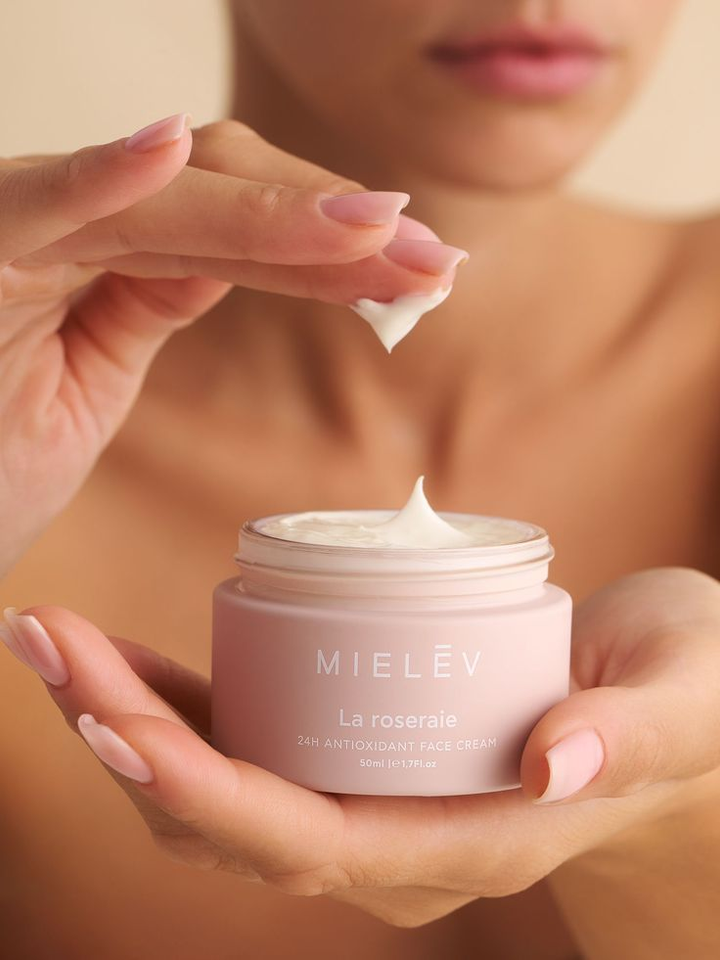
Every day, we see e-commerce brands churn out product photos to attract as many customers as possible. But in e-commerce, customers don’t buy products in isolation; they buy them in context.
People want to see how the product works in real life. For example, a photo of a skipping rope can show what it looks like, but it doesn’t really show how it fits into your life until you see someone actually skipping with it. That’s where lifestyle photos come in.
They bridge that gap by showing how the product is used by real people. It makes it easier for customers to recognise, relate to, and buy. The problem, however, is that traditional lifestyle photography is expensive and slow. Most times, it’s also harder to scale. But with AI lifestyle photography coming into the picture, things have changed.
E-commerce brands can create realistic lifestyle scenes without booking a shoot, hiring models, or renting locations. Imagine having to do this for every product you sell; that’d be too stressful.
That’s why in this article, we explain why lifestyle photos convert better, where they work best, and how tools like Pikes AI can help you generate realistic lifestyle scenes without spending money on photoshoots or models.
Why Lifestyle Photos Convert Better
Lifestyle photos do better than the regular product images because they remove friction from the buying decision. When customers see a product on a plain background, they have to imagine everything else, like size, environment, and emotional payoff. This is too long and stressful, so many people won’t even bother. They just scroll past. But when they see it in use, they immediately see themselves using it. This is effective because it’s emotions that make people buy.
So, yes, one of the first things that lifestyle photos do is that they help customers visualise ownership. If you upload a bag just sitting on a white background, people know it’s a bag, but they can’t visualise how it fits into their lifestyle. But take that same photo with a model rocking the bag, and they immediately see the value.
Speaking about value, lifestyle photos also help to communicate value beyond just the features. The same product can feel basic or premium depending on its setting.
For instance, a product shown by a model in a rough environment won’t hold the same value as one in an aesthetic setting. As an e-commerce brand owner, you have control over this and can show your products exactly how you want.
Lastly, lifestyle photos create emotional connection and relatability. When it comes to buying, people aren’t logical. This means that emotions are what make people buy. They buy outcomes like comfort, confidence, ease, organisation, not just objects. Lifestyle scenes show those outcomes visually.
So whatever the platform or purpose is, whether product pages, paid ads, email campaigns, landing pages, or social media, you need to take lifestyle photos seriously. They make it easier for people to buy what you sell because they trust you more compared to just using plain images.
Traditional vs AI Lifestyle Photography
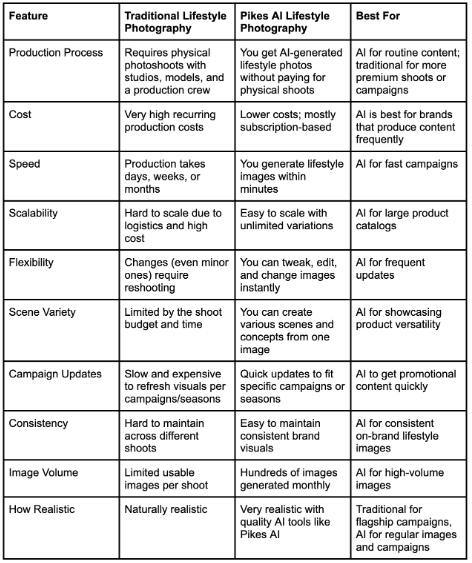
Lifestyle product photography has always been here, and it’s always been effective. But the traditional way of doing it can become very draining.
Booking shoot sessions, hiring models, handling logistics, etc., is a lot for e-commerce brands, especially if you have to do it consistently. But AI product photography has made things a lot easier now. Let us look at the difference between traditional and AI lifestyle photos.
Traditional Lifestyle Photography
Traditional lifestyle photography is super realistic and offers creative control. You can direct shoots however you choose and edit to your saturation. But drawbacks like high studio session costs, hiring models, buying props, and styling are real limitations. You also need to plan really well for it. These things limit flexibility a lot.
For many brands, a single shoot is stretched over months simply because repeating it isn’t realistic. So customers keep seeing the same lifestyle product photos over and over. They get bored and move on to a more creative and updated brand. But AI lifestyle product photography takes these issues away.
AI Lifestyle Photography
Remember those limitations with traditional product lifestyle photography we talked about? AI photography removes all of them. You’re able to create lifestyle scenes without paying for physical shoots.
Not only that: you can also generate images in minutes instead of weeks or even months. This helps you to quickly update your product visuals for new campaigns or audiences.
Another perk is that you don’t have to use just one lifestyle picture for the same product. You can create as many scenes as you want. This shows variety and keeps people glued.
The downside to this is that a not-so-good AI platform can ruin the whole thing for you. You get generic or unnatural results that can turn people off. But when you use a proper tool like Pikes AI, people cannot tell that it was AI-generated. And that is what you want as an e-commerce brand, because people can tell unrealistic pictures, and that’s enough to discourage them from buying.
Types of Lifestyle Scenes
Different lifestyle scenes serve different purposes. The important thing is choosing scenes that reflect how your target audience actually lives. Let’s explore some of the common types of lifestyle scenes.
Everyday Use Scenes
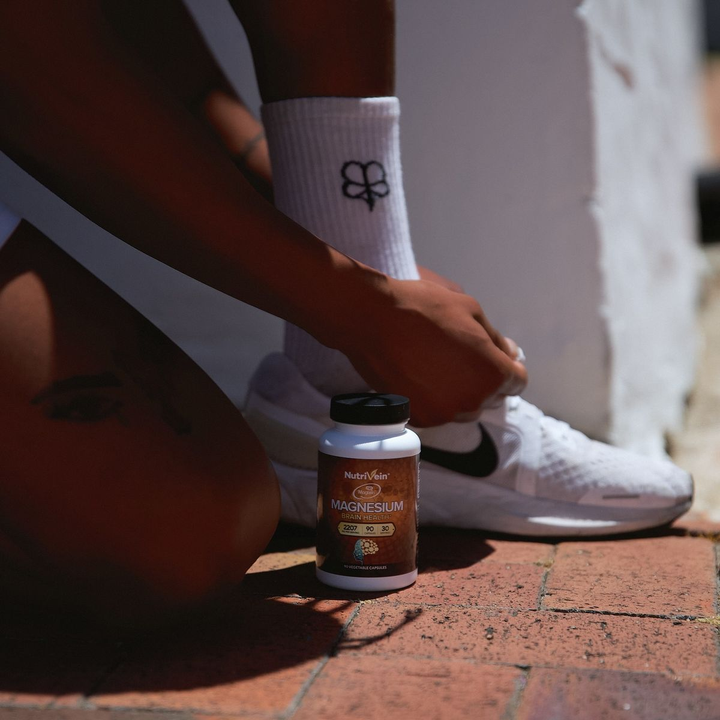
This type of lifestyle photos show products in familiar, realistic environments where people appear in everyday life. For example, someone using headphones while commuting to work, or holding a water bottle while jogging.
These scenes do well on product pages because they feel practical, believable, and relatable. You can use them if your product revolves around things like this.
Productivity Scenes
Productivity scenes show products in work-oriented environments where tasks are getting done. For example, a model in an office typing on a laptop. It could also be a few people in a co-working space doing their work.
The goal is to associate the product you sell with efficiency and progress so that customers imagine using it to work smarter and stay organised. Productivity scenes work well for tech products, stationery, digital tools, office accessories, etc.
In-Use or In-Hand Scenes
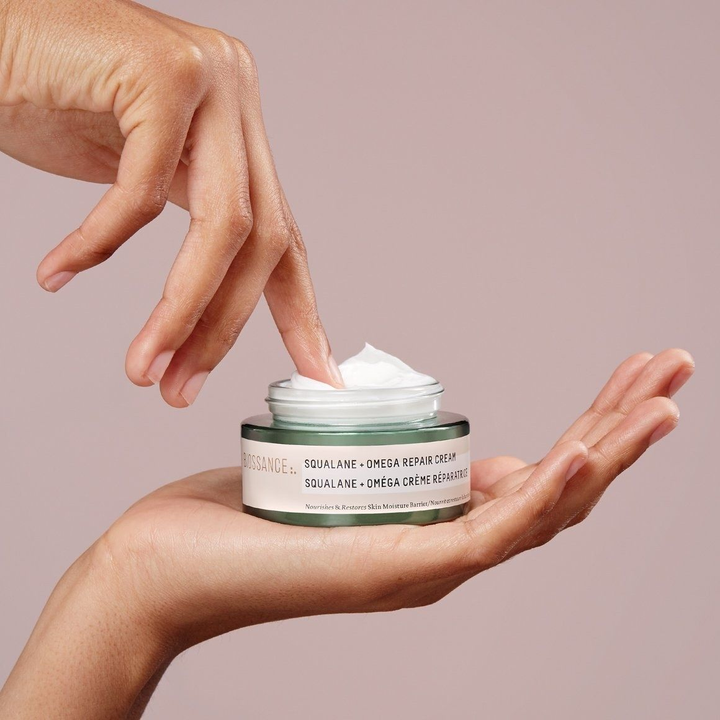
Also called action scenes, these kinds of scenes show how a product is used and answer buying questions like:
- How big is it?
- How does it fit?
- How does it look when used?
This one makes conversion very easy because people can immediately see how they can use the products.
Seasonal or Campaign Scenes
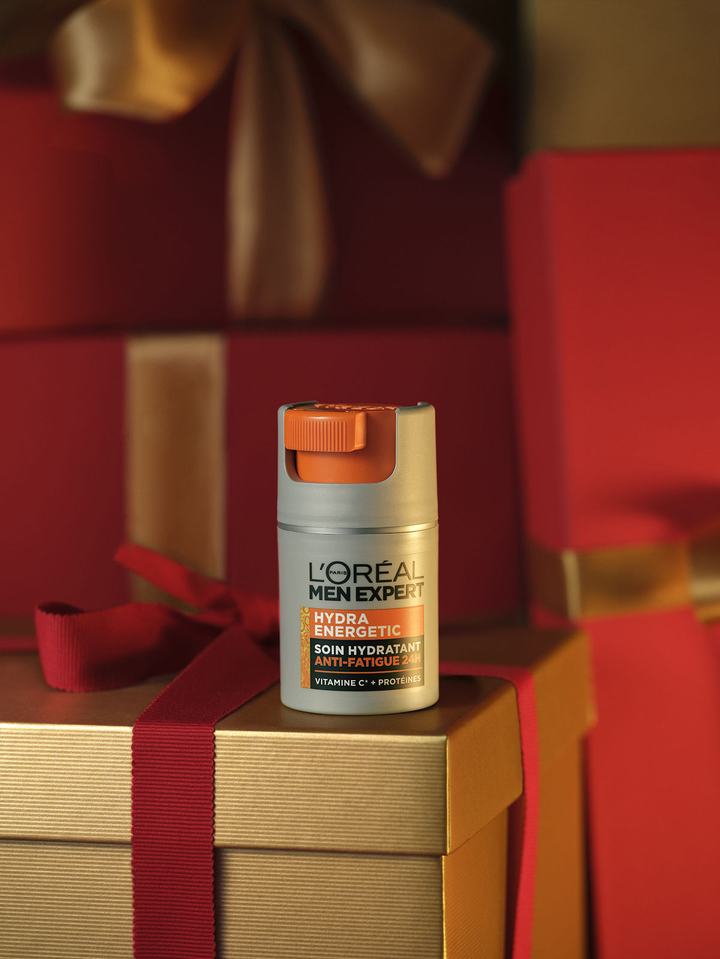
These are not your everyday scenes, but they work well for seasons or special campaigns like Christmas campaigns, Thanksgiving, and so on.
Some campaigns are limited-time productions. They require you to create specific lifestyle product photos with actual models, reflecting the season or particular campaign.
Self-Care/Fashion Scenes
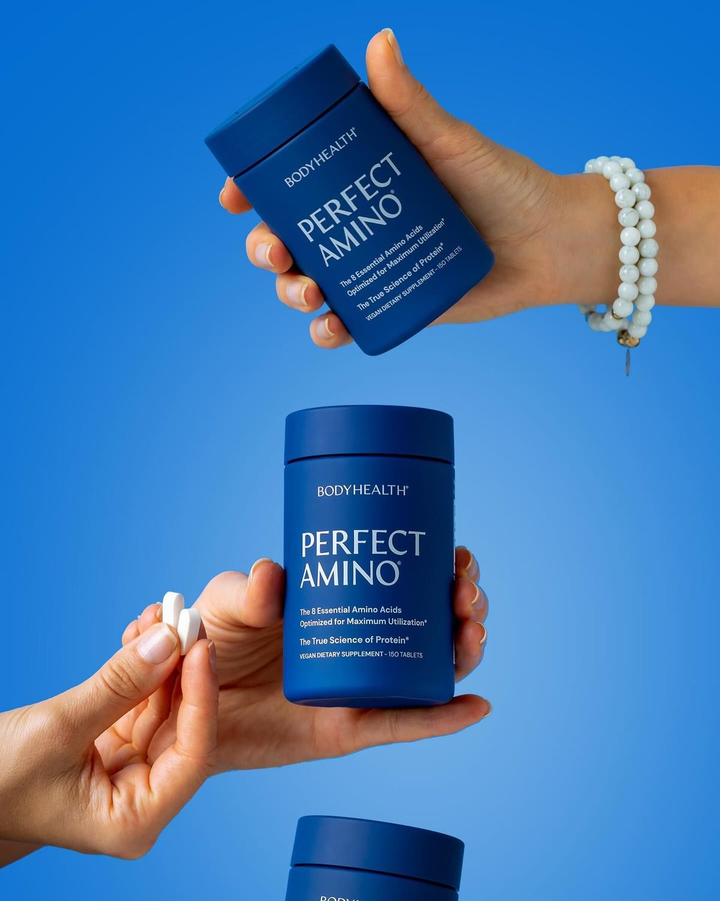
These lifestyle photos show models using the products to highlight routines, self-care, style, and even aspiration. A model could be applying skincare in the photo or holding a wellness product in a nice and cosy setting.
For fashion, you may have a model wear accessories, bags, or shoes in real-life contexts like cafés, offices, or streets. This is how customers see themselves using the product because they can relate to or aspire to it.
How AI Creates Lifestyle Contexts
The first thing you need to do is get a good tool for this. AI lifestyle photography works by placing the product into a generated environment that matches the setting, mood, and use case you have in mind.
But the typical process is:
- Upload a basic but clear product image.
- Add a detailed prompt that explains what you want to see.
- Generate the product images in the lifestyle environment (with models, etc.)
- Select the most realistic photos.
You can also adjust lighting, shadows, direction, texture, and depth when you use good tools. This allows the product to appear naturally integrated into the scene rather than pasted. The context has to be accurate for the pictures to look realistic. For instance, you can’t have a model doing skincare in an office setup.
Best Practices by Product Category
Let’s briefly touch on the best practices for different product categories. AI lifestyle photos work best when they’re tailored to the product and buyer expectations.
Fashion & Accessories
- Use natural, everyday environments.
- Focus on showing how comfortable it’ll be when the customer is moving in it.
- Avoid overly stylised or unrealistic poses, or else people won’t believe it.
Beauty & Skincare
- Use clean, minimal environments. Too much drama will chase people away.
- You want to use soft, neutral lighting. This works best for beauty and skincare.
- Make sure the visual tone is consistent across images.
Home & Decor
- Show the models doing something with the products, like arranging throw pillows on the cushion.
- Pay attention to scale and proportions. They’re very important here.
- Don’t compromise on realistic room layouts and lighting if you want customers to believe.
Tech & Gadgets
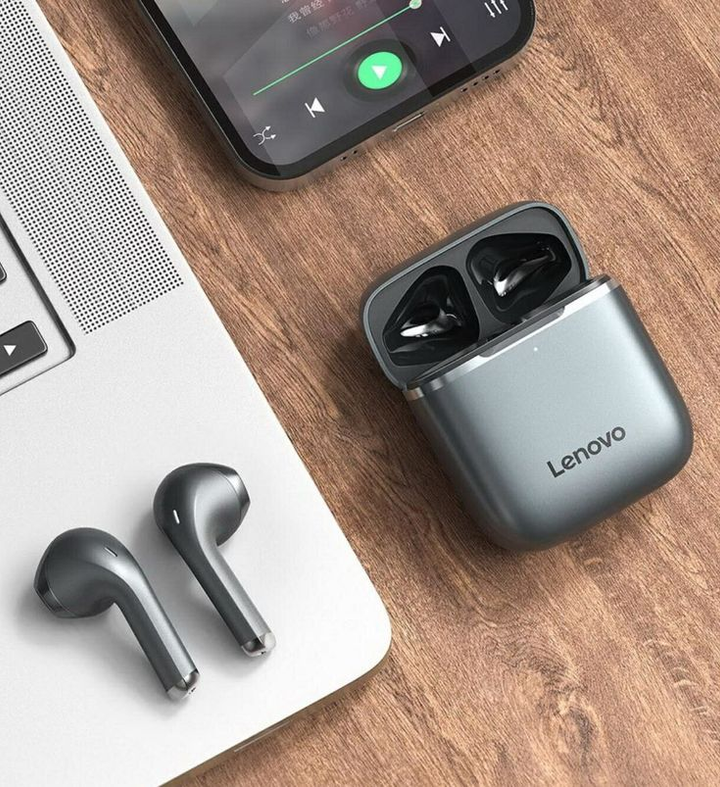
- Show real-world scenarios like people typing on a laptop in an office, someone doing a presentation in a boardroom, or students taking an online exam in a classroom/exam hall.
- Zoom in on a good feature of the product, e.g., the sleek outlook, clear screen, etc.
- Let the environments be practical and realistic.
Examples & Case Studies
1. Skincare Brand
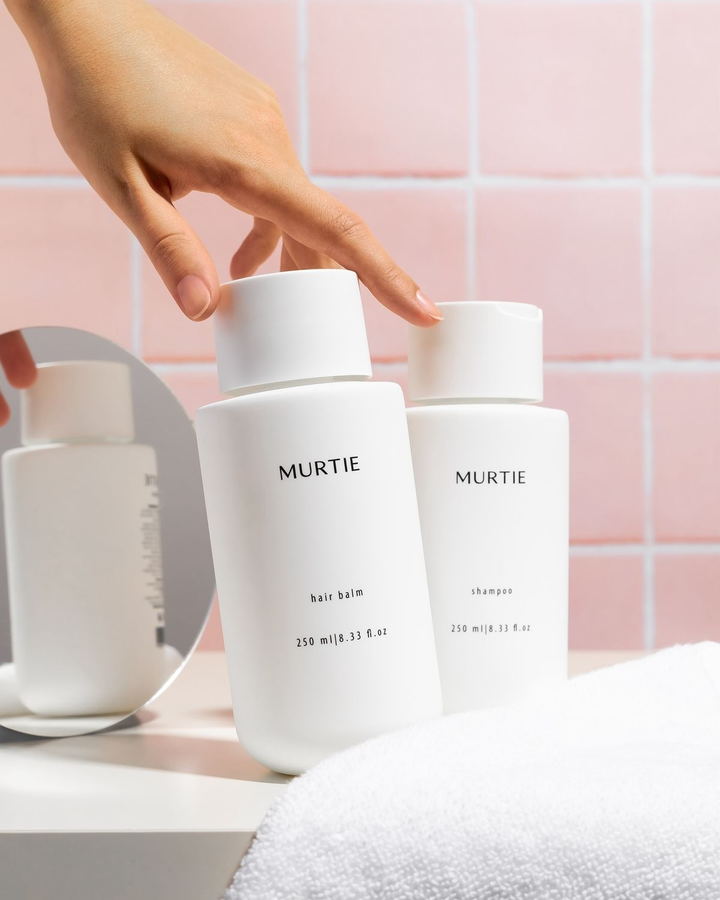
A skincare brand can generate AI lifestyle photos to show bathroom vanity scenes for a new product launch. This allows them to create consistent visuals across ads and product pages without paying for studio sessions or hiring models.
2. Fashion Accessories Store
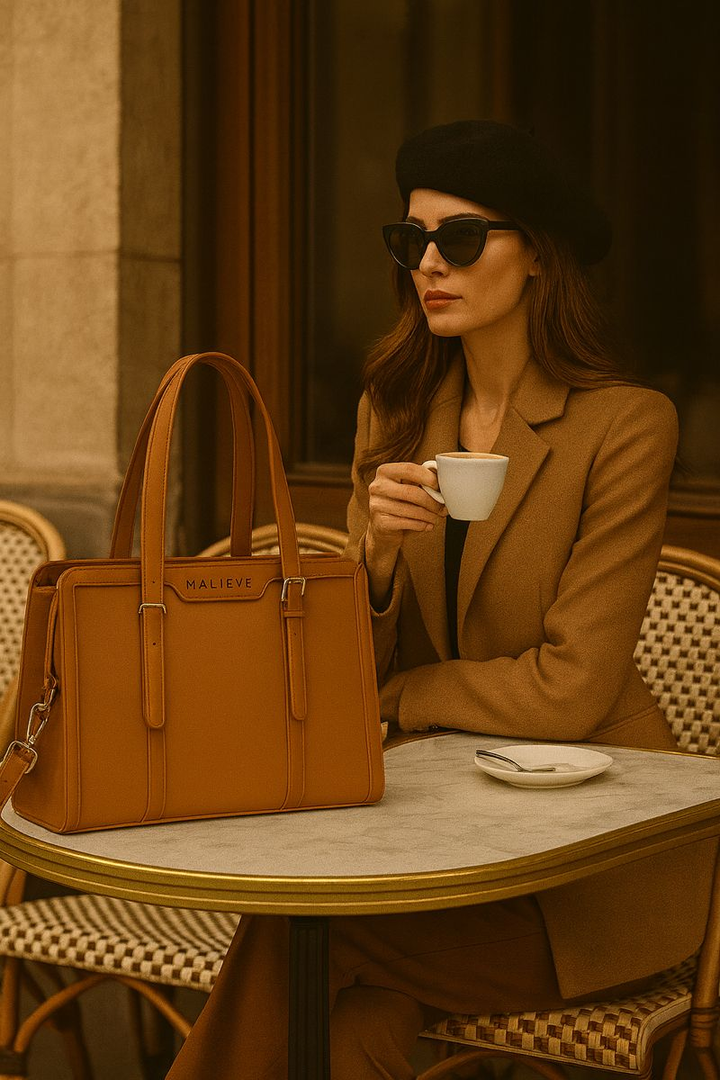
You can take one handbag photo, put it on Pikes AI, and generate different scenes with it, like work, travel, and casual use. This helps customers see how versatile the bag is, and you, on the other hand, don’t need to pay for separate photoshoots.
3. Tech & Gadgets Brand
The same applies to tech brands. A tech brand can place a product like a laptop in Pikes AI to show it being used in the office, at home, or even in a show by a DJ.
This shows customers how the product fits into various aspects of their lives.
Pikes AI: Create Realistic Lifestyle Scenes Without a Shoot
As an e-commerce brand, you need a tool that creates realistic lifestyle scenes, and that's where Pikes AI comes in. For many reasons, it's the best cost-effective option that also creates high-quality lifestyle product images.
First, the photos aren't generic or templated. Pikes AI doesn't generate pictures that make people say, “I think I've seen this before.” Instead, they see fresh pictures that make them want to buy from you.
Also, the images are well placed, with good natural lighting, realistic environments, and relatable scenes. This is the purpose of lifestyle photos, and Pikes AI delivers really well.
Another thing is the versatility of Pikes AI. You can transform one image into many lifestyle pictures or contexts. For example, a headset can be used in a café, on the way to work, or during travel. Pikes AI allows you to control the scene style, AI models, picture tone, and every other thing to match your brand visuals and identity.
It’s also important to mention how fast Pikes AI is. Unlike traditional shoots or slow AI platforms, Pikes AI helps you generate many images in a matter of minutes. This means that you can quickly update campaigns, refresh product pages with new images, and get new content for social media. And the best part is that images generated on Pikes AI are very realistic.
It’s pretty easy to get started on Pikes AI since you can start with the free trial and then upgrade to the paid version for only $49/month. This payment allows you to generate over 200 brand assets every month.
Frequently Asked Questions
Is AI Lifestyle Product Photography Free?
Generally speaking, AI lifestyle photography is not free. You may get a free trial at first, but to continue using it, you’d need to upgrade to a paid plan. This is where cost depends on the platform. Some are higher than the others, and that’s normal with AI tools.
Pikes AI, for instance, is really fair since you pay only $49 every month, and you can generate more than 200 brand assets. So, the short answer is no. The long answer is that while these tools aren’t free, you can start with a free trial before committing, and the cost depends on the platform.
What’s the Best Tool for AI Lifestyle Product Photography?
Pikes AI is considered one of the best tools for e-commerce brands because it is designed for realistic product placement in lifestyle contexts.
With Pikes AI, you get accurate lighting, natural shadows, and realistic environments. Many tools don’t give this level of accuracy, which is needed to make the photos look as realistic as possible.
Pikes AI is also fast and cost-effective, with a user-friendly interface that anyone can easily access.
Can AI images Replace Traditional Photoshoots?
AI images cannot completely replace traditional photoshoots. While some brands have completely gone the AI route, some still use a hybrid approach. They use AI for scale, variety, and testing, and traditional photography for flagship products or those premium campaigns.
This ensures both efficiency and high-end brand quality. But overall, traditional photoshoots still take the lead when it comes to very serious campaigns and shoots. But most of the time, brands prefer to use AI for regular ones.
How Much Does AI Product Photography Cost?
The cost of AI Product Photography varies depending on the platform and subscription plan. In general, it is way cheaper than traditional photography, where you have to pay for studio sessions, models, props, and everything in between.
They also save you time and energy since you can just do them from the comfort of your home. In short, there’s no particular cost of AI Product Photography, but some platforms like Pikes AI charge considerable rates. Pikes AI costs $49 per month, and you can generate up to 200 brand assets with that.

Written by
Mike Lehman
Mike Lehman is a senior content strategist at Pikes. Before joining Pikes, Mike spent nearly a decade working with Glossier, Haus, and Athletic Brewing, leading campaigns that blended storytelling and data.