
Mike Lehman
Pomelli AI vs Midjourney (2026): Which AI Tool Is Better for Product Photography?

AI tools are getting better at creating visuals, but not all of them are built for the same job. Some focus on creativity, while others focus on automation. And when you’re running an e-commerce brand, that difference matters more than it seems.
Pomelli AI and Midjourney are two tools people often compare. Yes, the two are excellent at what they do – just that they have different approaches. While one is built around brand consistency and automated content, the other is known for creating visually stunning and artistic images.
So, how do you know which one is best for you? In this detailed comparison, we’ll take a much closer look at both tools to help you see what you can achieve with them and where a more focused tool might be a better fit.
Quick Overview: Pomelli AI vs Midjourney
Before we go into the features and what each tool does, it will be helpful first to understand what each is actually designed for.
What Is Pomelli AI?
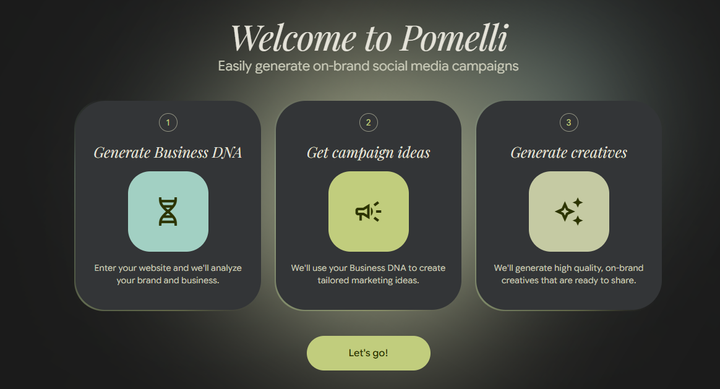
Pomelli AI is an experimental tool developed by Google, and it’s designed to act like an automated marketing assistant. Instead of asking you to design everything manually, Pomelli analyzes your website and builds what it calls a “Business DNA” profile. This includes your brand tone and messaging, color palette, typography, visual style, and imagery.
The moment it’s able to understand your brand, it can easily generate content – images, ads, or marketing assets that are consistent with your identity.
What About Midjourney?
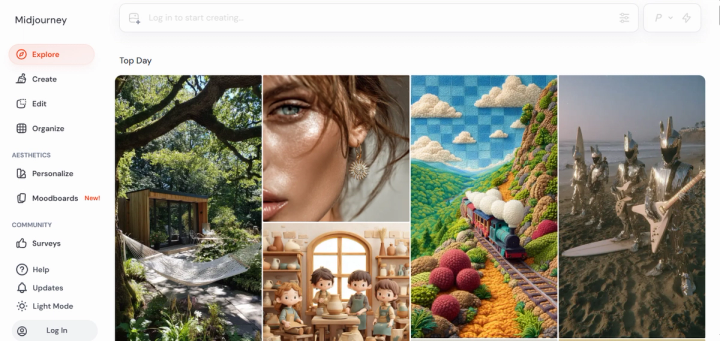
Midjourney is one of the most popular AI image generators available today. It turns text prompts into highly detailed and often artistic images.
Unlike Pomelli, it doesn’t try to understand your brand. Instead, it focuses on creative freedom. You describe what you want, and it generates multiple variations based on your prompt.
Midjourney is known for high-quality visuals, artistic styles, and strong creative outputs. However, it relies heavily on prompting and experimentation, which means getting consistent results can take time.
Pomelli vs Midjourney: Quick Comparison

Core Features Compared
As said earlier, Pomelli AI and Midjourney both generate visuals, just that the way they do it is completely different. Pomelli is structured and brand-driven, while Midjourney is flexible and creative.
Let’s quickly consider how their core features stack up.
Brand Consistency & Control
Pomelli’s biggest strength is its Business DNA system. Once you input your website, it automatically learns your brand. Every image or asset it generates is based on this profile. That means outputs stay aligned with your brand without needing constant input.
Midjourney doesn’t have this. It relies entirely on prompts. If you want consistency, you have to manually guide it each time.
Product Image Generation
Pomelli generates structured assets designed for marketing. You can create social media visuals, ad creatives, and branded product scenes. The outputs are usually aligned with your brand but can feel a bit templated.
Midjourney, on the other hand, generates images from scratch based on prompts. The visuals are often more impressive. Still, it can:
- distort product details
- change proportions
- ignore specific instructions
Ease of Use
Pomelli is easier to use, especially for beginners. You simply input your website, review your brand profile, and generate content. But for Midjourney, it requires more effort. It runs through Discord and depends heavily on how well you write prompts.
Customization
Midjourney offers much more flexibility. You can create highly specific visuals by adjusting prompts and experimenting with styles.
Pomelli allows customization, too, but within limits. You can tweak outputs using simple instructions, but you don’t get the same level of creative control.
Multi-Platform Content Creation
Pomelli is built for marketing workflows. It can generate assets for different platforms like Instagram, ads, and email banners. On the other hand, Midjourney focuses mainly on image generation. You’ll need to adapt outputs manually for different platforms.
Workflow & Automation
Pomelli is designed to automate content creation. It can generate entire campaign ideas and assets with minimal input. Midjourney is more manual. Each image requires:
- a prompt
- iterations
- refinements
There’s no built-in automation for campaigns or workflows.
Pomelli AI Pros and Cons
Pros
- Strong brand consistency: Automatically aligns visuals with your brand using the Business DNA system
- Beginner-friendly workflow: No need for design skills or complex prompts
- Fast content generation: Can generate multiple assets quickly
- Built for marketing use: Creates ready-to-use visuals for ads, social media, and campaigns
Cons
- Offers limited customization on outputs
- Features can feel unfinished or restricted because the tool is still in beta
- Currently available only in select regions
- Designed for general marketing, not detailed product photography
Midjourney Pros and Cons
Pros
- High-quality visuals: Known for producing detailed and visually impressive images
- Creative flexibility: You can generate almost any style with the right prompt
- Strong community: Large user base sharing prompts and ideas
- Advanced image controls: Includes upscaling and variation tools
Cons
- Inconsistent outputs: Results can vary even with similar prompts
- Poor product accuracy: Logos, text, and product details are often distorted
- Steep learning curve: Requires time to master prompts and workflow
- Manual process: No automation for campaigns or bulk generation
Pricing Comparison
Pomelli AI and Midjourney take very different approaches to pricing. One is still evolving in beta, while the other has a more established subscription model.
Here’s how they compare.
Pomelli AI Pricing
Pomelli is currently in a public beta phase, which means it is free to use for now (in supported regions). What you get:
- access to the Business DNA feature
- limited asset generation
- basic campaign creation tools
However, there are a few things to keep in mind:
- Availability is restricted to select countries
- Usage limits may apply
- Pricing is expected to change once it exits beta
Midjourney Pricing
Midjourney uses a subscription-based model based on GPU usage.
Basic Plan – $10/month
- ~3.3 hours of Fast GPU time
- limited usage
- no stealth mode
Standard Plan – $30/month
- 15 hours of Fast GPU time
- unlimited Relax mode (slower generation)
Pro Plan – $60/month
- 30 hours of Fast GPU time
- unlimited Relax mode
- access to Stealth Mode (private generation)
Mega Plan – $120/month
- 60 hours of Fast GPU time
- all features included
Midjourney offers predictable pricing, but costs depend on how much you generate and how often you use Fast mode.
Major Limitations for Product Photography
Now to the part many e-commerce brands have been waiting for. Which is better for product photography, between Pomelli and Midjourney? Well, the truth is that neither of them is built for that purpose. And because of that, you will often experience certain limitations when you try to use them for real product visuals.
Pomelli AI Limitations
1. Not Designed for Product Accuracy
Pomelli focuses on branding and marketing assets, not precise product visuals. This means it may simplify or alter product details. It also lacks fine control over product appearance. For e-commerce, where accuracy matters, this can be a problem.
2. Limited Customization
Although Pomelli is easy to use, you don’t get deep control over the outputs. You can tweak results, but you’re still working within a structured system. This can feel restrictive for e-commerce brands, especially the ones that want specific visual styles.
3. Beta Limitations and Availability
Pomelli is still in beta, which comes with:
- limited access (only certain regions)
- evolving features
- potential bugs or inconsistencies
This makes it less reliable for business-critical workflows.
4. Not Built for Scale
Pomelli works well for generating a few campaign assets, but it’s not optimized for:
- large product catalogs
- bulk image generation
- high-volume workflows
Midjourney Limitations
1. Poor Product Detail Accuracy
Midjourney often struggles with logos and text, packaging details, and precise product shapes. A user on G2 noted that it’s “unable to replicate exact logos or technical details,” which limits its use for e-commerce.
2. Inconsistent Outputs
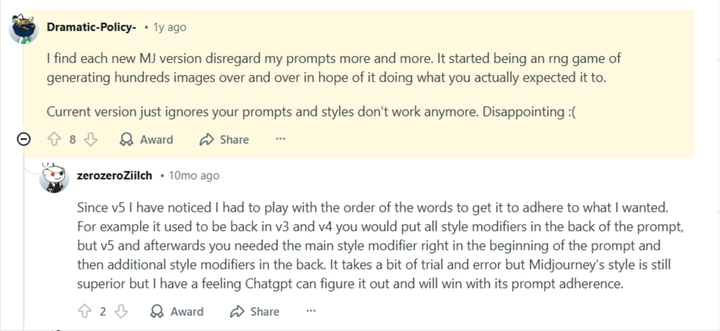
Even with similar prompts, results can vary widely. This makes it hard to maintain consistency across product images. A user on Reddit also mentioned that newer versions sometimes “disregard prompts,” leading to unpredictable results.
3. Manual Workflow
Every image requires writing prompts, testing variations, and refining outputs. This process is time-consuming and difficult to scale.
4. No Built-In E-commerce Workflow
Midjourney doesn’t support:
- bulk product generation
- marketplace-ready formats
- structured workflows for product catalogs
Better Alternative for E-commerce Product Photography
E-commerce brands don’t just need any type of visuals. They are more after accurate, scalable, and performance-driven product images. So, they cannot just opt for any type of AI tool – they need a more focused tool.
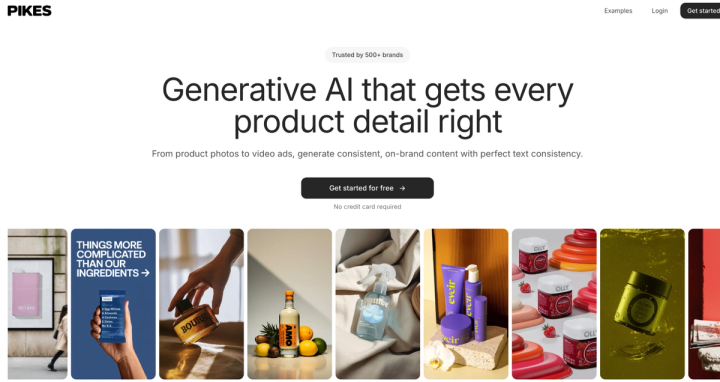
One strong option is Pikes AI. This is a platform designed specifically for e-commerce brands that want to create studio-quality product images and ad creatives without traditional photoshoots.
Instead of trying to cover everything, Pikes focuses on solving the real problems e-commerce teams face. Let’s take a quick look at some things that make the tool stand out.
Built for Product Accuracy
Pomelli simplifies visuals while Midjourney often distorts them. However, Pikes is designed to keep product details intact, including:
- labels and text
- colors and materials
- packaging and proportions
This makes the images suitable for real-world use on product pages and marketplaces.
Scales Across Your Entire Catalog
Both Pomelli and Midjourney struggle with scale. But Pikes allows you to generate multiple variations per product and visuals across different styles and platforms without slowing down your workflow.
No Prompting or Guesswork
While Midjourney requires constant prompt tweaking, Pomelli limits how much you can control. But Pikes simplifies this with ready-to-use templates and a chat-based creation flow. With it, you get faster results without spending time experimenting.
Built for Performance Marketing
Most tools focus on making images look good. Pikes focuses on making them work in ads. It includes:
- tools to explore high-performing competitor creatives
- the ability to recreate similar visuals
- support for ad-ready formats
This means brands can easily create visuals that are not just attractive but effective.
Combines Image and Video Creation
Instead of switching between tools, Pikes lets you create product images, lifestyle visuals, and short video creatives from just one platform.
Which Tool Should You Choose?
Choosing between Pomelli AI and Midjourney all depends on what you’re trying to achieve exactly. For a brand looking for brand consistency and quick marketing assets, the best option will likely be Pomelli.
But if your focus is on creative freedom and generating some pretty quality visuals, you might want to go for Midjourney. The tool allows you to enjoy more control over what you generate, but it will require spending more time refining your prompts.
However, for a brand whose goal is e-commerce product photography at scale, none of the tools will satisfy that purpose. You will need a tool like Pikes AI. It’s built specifically for creating accurate, consistent, and ad-ready product visuals – and you don’t need any manual editing at all.
FAQs
Is Pomelli AI better than Midjourney?
It depends on your goal. Pomelli AI is better in its own way, especially for brand consistency and automated marketing content. But Midjourney is more suited for creative and visually striking images. But if it’s for product photography, both of them are limited.
Which tool is easier to use: Pomelli or Midjourney?
Pomelli AI is easier to use. It has a guided workflow that doesn’t require that you have any prior experience or technical skill. But for Midjourney, you will need to learn how to give good prompts and also how to navigate a Discord-based interface. And this will often require plenty of time to get used to.
Can Midjourney create product photos?
Many people use the tool for this purpose, and it delivers well, especially for creating product-style images. However, the caveat is that it often comes up with details that are not accurate enough for e-commerce use.
Is Pomelli AI free?
Currently, the tool is free because it’s still in the beta phase and only accessible in certain regions. But its pricing would likely change once it becomes more widely available.
Which AI tool is best for product photography?
General tools like Pomelli and Midjourney can help with visuals, but for accurate, scalable, and conversion-ready product images, you cannot trust them. You will need to rely on dedicated tools like Pikes AI.
Can Pikes AI handle large product catalogs?
Yes, Pikes is designed for scale. You can generate multiple variations across different products, making it suitable for brands with large inventories, frequent launches, or ongoing campaigns.

Written by
Mike Lehman
Mike Lehman is a senior content strategist at Pikes. Before joining Pikes, Mike spent nearly a decade working with Glossier, Haus, and Athletic Brewing, leading campaigns that blended storytelling and data.