

Mike Lehman
Creative Product Photography Ideas for Personal Care and Supplement Brands
Supplement product photography should show the actual packaging clearly, make product details easy to inspect and show how the item fits into a routine. Start with a front packshot and readable label views, then add scale, texture and lifestyle images. The same approach works for skincare bottles, personal-care tubes and wellness bundles.
This guide covers a suggested shot list, 11 scene ideas and a workflow for creating additional visuals from product references. Use the ideas to plan a shoot or explore variations with AI; compare the results with your actual product.
A practical shot list for supplement and personal-care products
- Front packshot: face the brand name toward the camera and keep the full bottle, pouch or tub in frame. Leave room around the packaging for different crops.
- Label detail: photograph the ingredient panel and other product information closely enough to read. Keep this as a reference when reviewing edited or generated images.
- Alternate angle: show the lid, dispenser, depth of the container or side of the pouch. Choose an angle that answers a question the front view leaves open.
- Size and scale: include a hand or a familiar object where appropriate. Check that the packaging and the objects around it have believable relative sizes.
- Product texture: show the actual powder, capsule, cream or liquid when it helps explain the item. Use the real product for details that a shopper needs to assess.
- Routine or lifestyle scene: place the product in a setting that fits its use, such as a bathroom shelf or kitchen counter. Keep props from obscuring the label.
- Range or bundle: show the products sold together and keep their relative sizes consistent. Make each variant easy to distinguish.
This is a starting brief, not a required image count for every channel. Choose the views each SKU needs and check the destination’s image requirements before exporting. For more planning detail, see how many product photos to use per SKU and our product label readability guide.
Creative Product Photography Ideas for Personal Care and Supplement Brands
Choose a scene that supports your brand and leaves the product easy to inspect. These ideas can be photographed directly or used as a brief for creating new backgrounds and compositions.
Here are some creative product photography ideas that can help.
1. Play with Natural Light and Soft Shadows
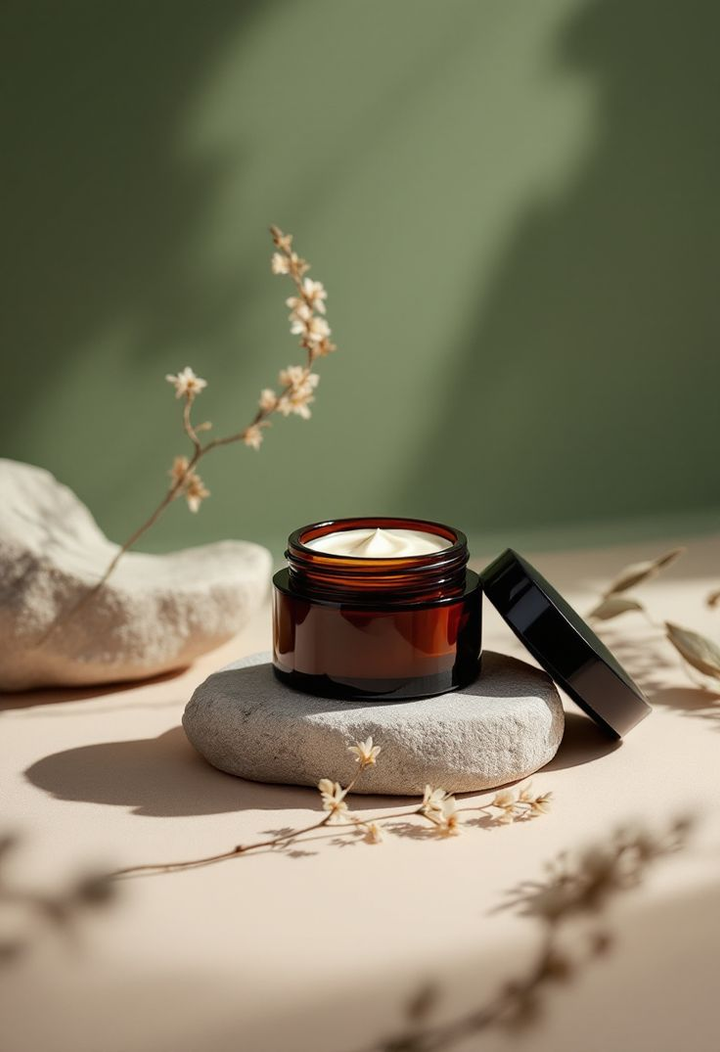
Only a few things say “wellness” better than gentle, natural light. It gives your photos that natural, authentic look that is often associated with natural ingredients. So, for your product images, try using diffused sunlight near a window to create soft shadows and a calm, inviting tone. Think of how sunlight spills across a countertop, and how it feels fresh, honest, and real - that’s the look you are going for.
2. Use Lifestyle Contexts, Not Just Plain Backgrounds
Go outside the regular plain white backdrop, try to place the products in real-life settings to give them a better context, and make it more engaging. Imagine your vitamin jar placed beside a morning smoothie or your skincare bottle resting on a bathroom vanity.
Use lifestyle images where the placement allows them. Keep a separate clean product view for channels or placements that need one, and check their current requirements.
3. Add Movement and Texture
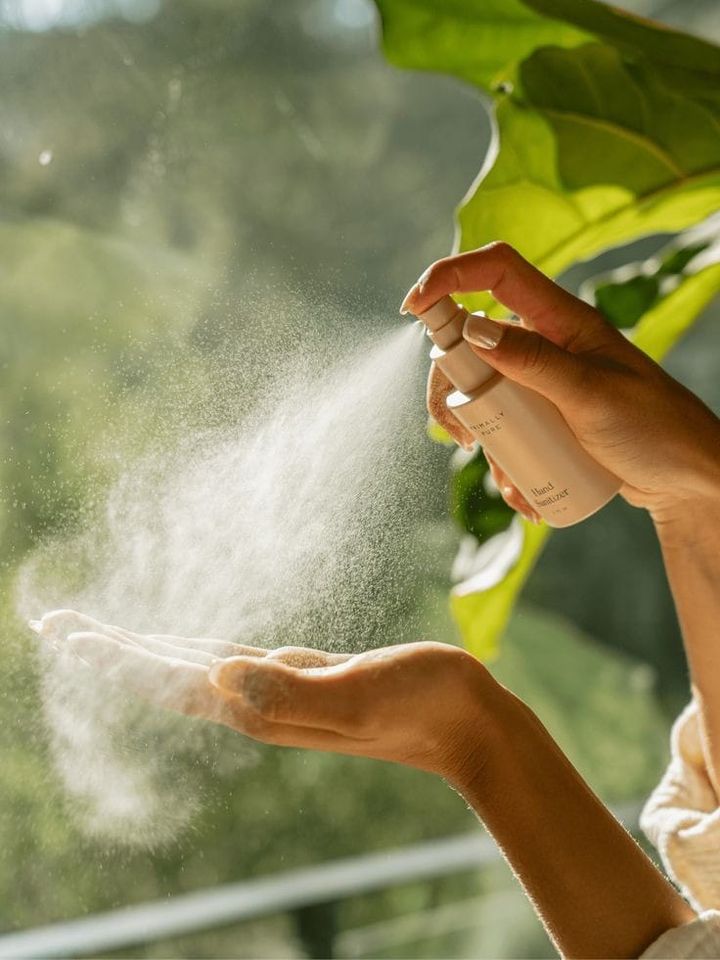
Yes, static photos are great, but to make them pop even more, try introducing movement. Imagine a serum drop in motion, a hand stirring a collagen drink, or mist spraying over a moisturizer bottle. It instantly adds energy and draws attention in feeds loaded with static images.
For social campaigns, explore motion around an approved product image. Pikes can create image and video variations from product references; review the packaging throughout a clip before exporting it. See the product-photo-to-video guide for planning the motion and composition.
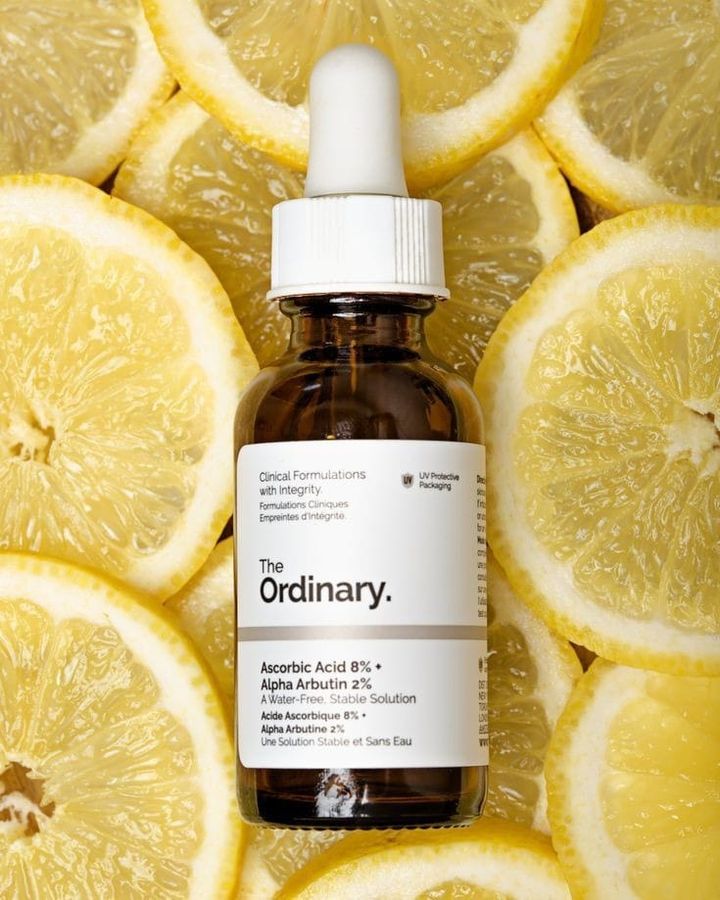
4. Use Ingredients as Props
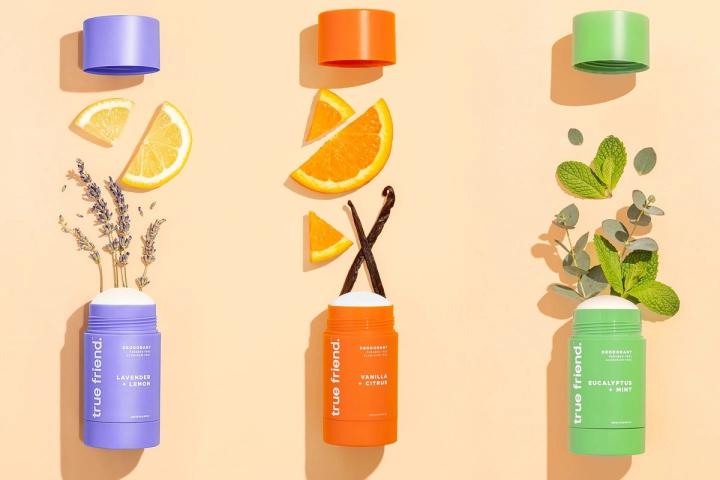
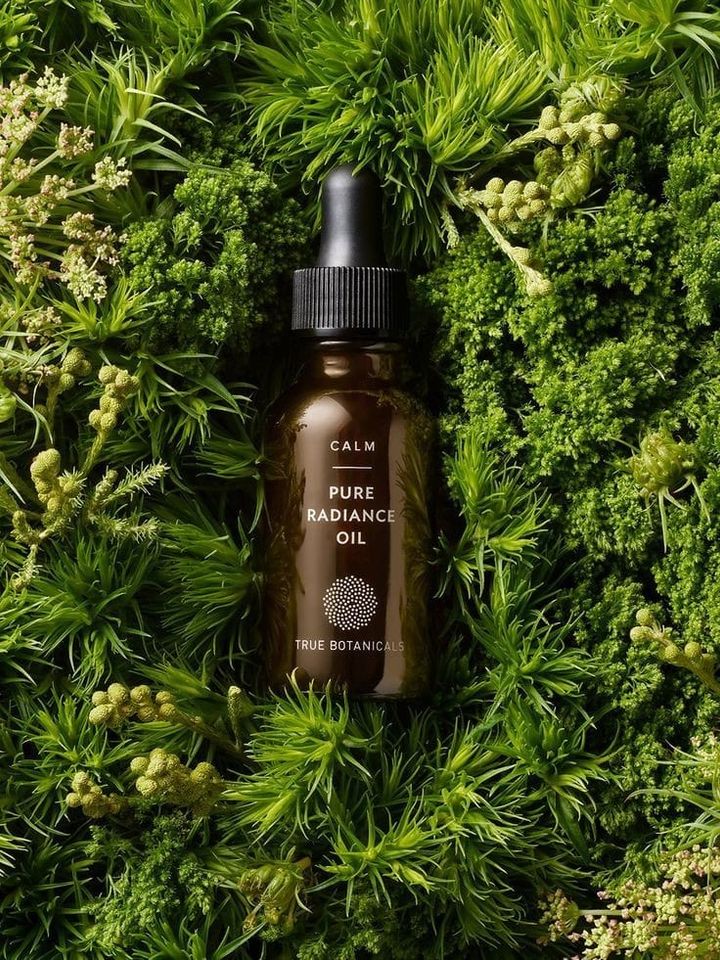
If an ingredient is listed for the product, consider using it as a prop. Keep it visually separate from the packaging and use a composition that accurately represents what is being sold.
Use an ingredient prop to suggest a color palette or scene. Keep the composition consistent with the product information on the packaging.
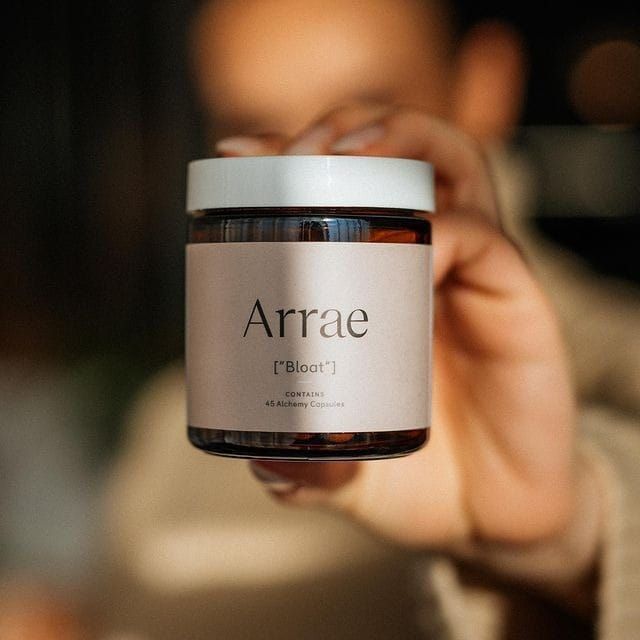
5. Hold the Product in Your Hand
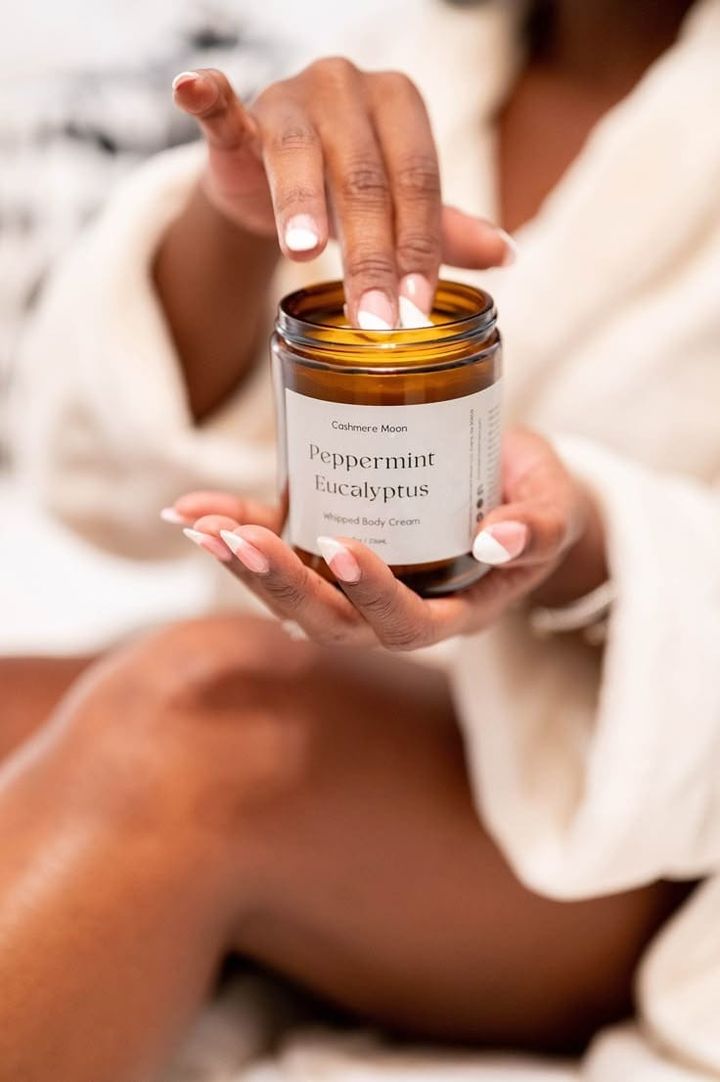
Help shoppers have a clearer perception of your product by adding a human element. That human touch can make the product feel more personal and relatable. Imagine a hand holding a serum dropper or someone pouring a supplement drink. This creates an instant connection that makes shoppers imagine themselves using the product. This is an effective trick wellness and beauty brands often use to build trust with their audience.
6. Use Creative Angles
Sometimes, all you need to make a product shot pop is a small shift in perspective. Experiment with different angles and arrangements to give your photos that unique look they need to stand out. Try low angles, overhead shots, or flat lays to showcase your entire product lineup. Diagonal compositions are also good ideas as they add depth and movement, guiding the viewer’s eye straight to your logo or label.

7. Show Products in Unexpected or “Weird” Uses
One of the easiest ways to grab attention is to break the rules and do it beautifully. Think of a skincare serum balanced on a stack of books, or a supplement bottle surrounded by workout gear instead of the usual countertop. These “out-of-the-ordinary” kinds of shots instantly catch people’s attention and make them look twice. That’s exactly what skincare and supplement brands need for social engagement.
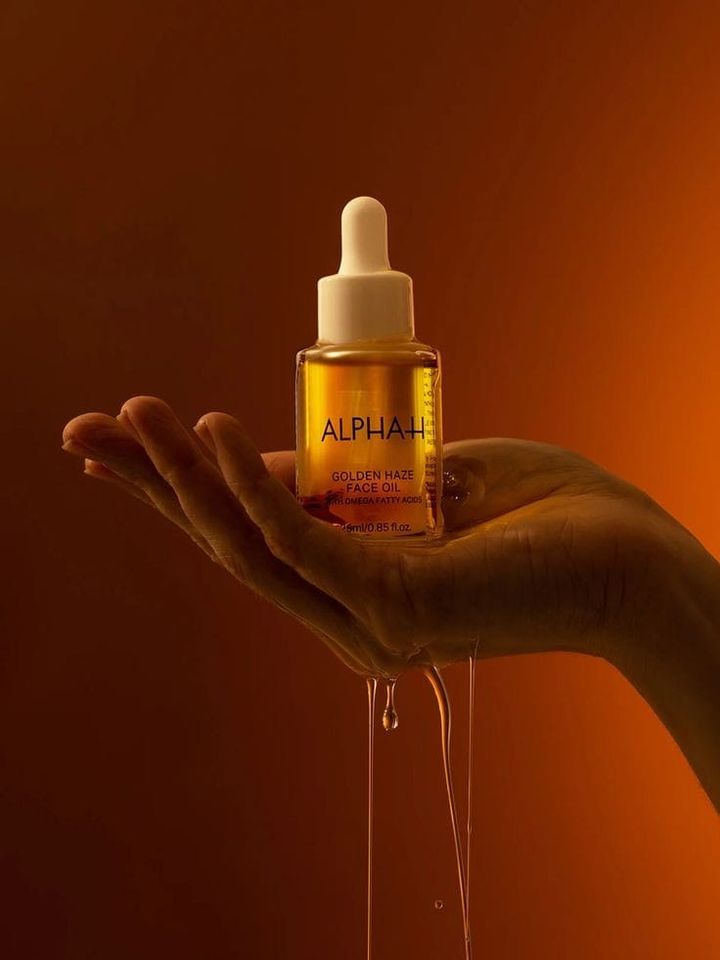
8. Highlight Product Features Up Close
Every product has that unique feature that makes it tick. For instance, yours could be the silky serum texture or the shine of the vitamins’ capsules. Consider close-up shots to highlight those unique features. Because they give you the chance to emphasize those small but powerful details that make your product special. Use macro-style photography or AI zoom effects to make these features come alive.
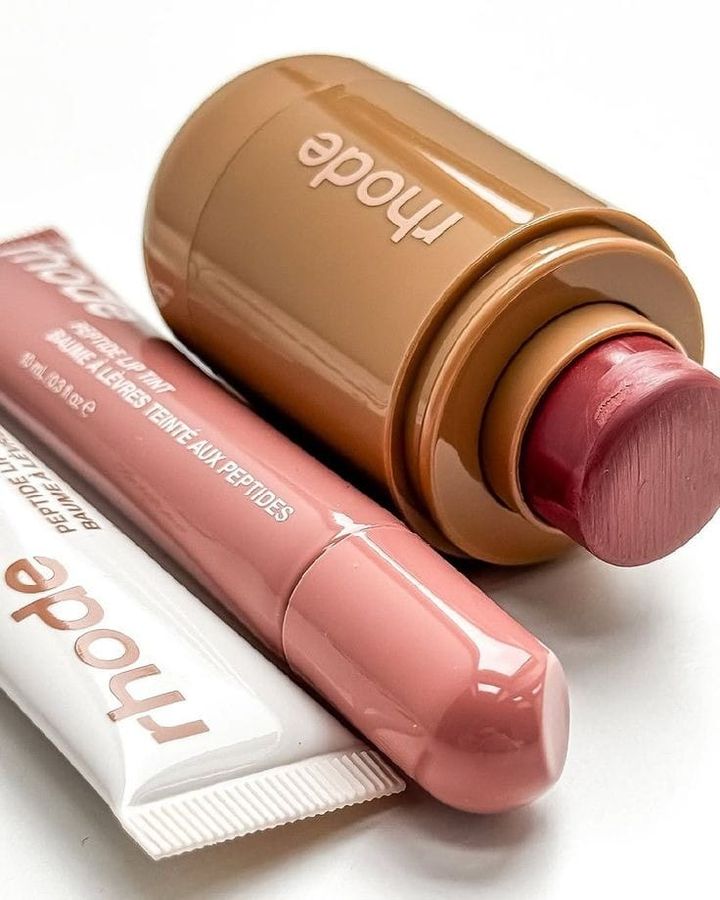
9. Feature Your Target Buyer
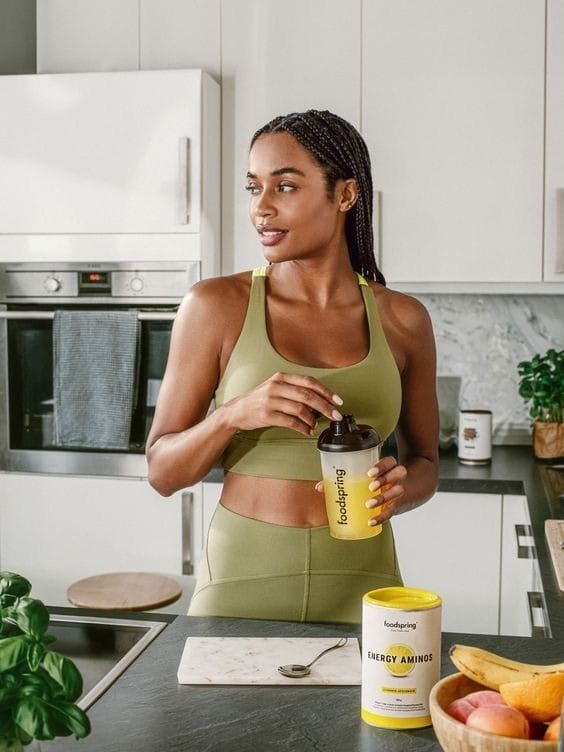
Who are your target demographics? Since we believe you know them, let them reflect in your visuals. For instance, if your supplement brand targets active millennials, show a hand holding a shaker after a workout. For luxury skincare, it could be a calm morning scene with soft robes and sunlight. The whole point is to show how your product fits into the lifestyle of your target audience.
10. Go Outside
Hardly can you separate wellness and nature; they often go hand in hand. Featuring outdoor settings in your shots has a way of naturally evoking freshness and vitality. So, a good product photo inspiration for skincare or wellness brands is to take things outside.
Consider natural light, greenery or a simple outdoor surface as a starting point. You can also explore outdoor scenes with Pikes using product references, then check the resulting scale, lighting and packaging before selecting an image.
11. Take Them Together (Group Shots)
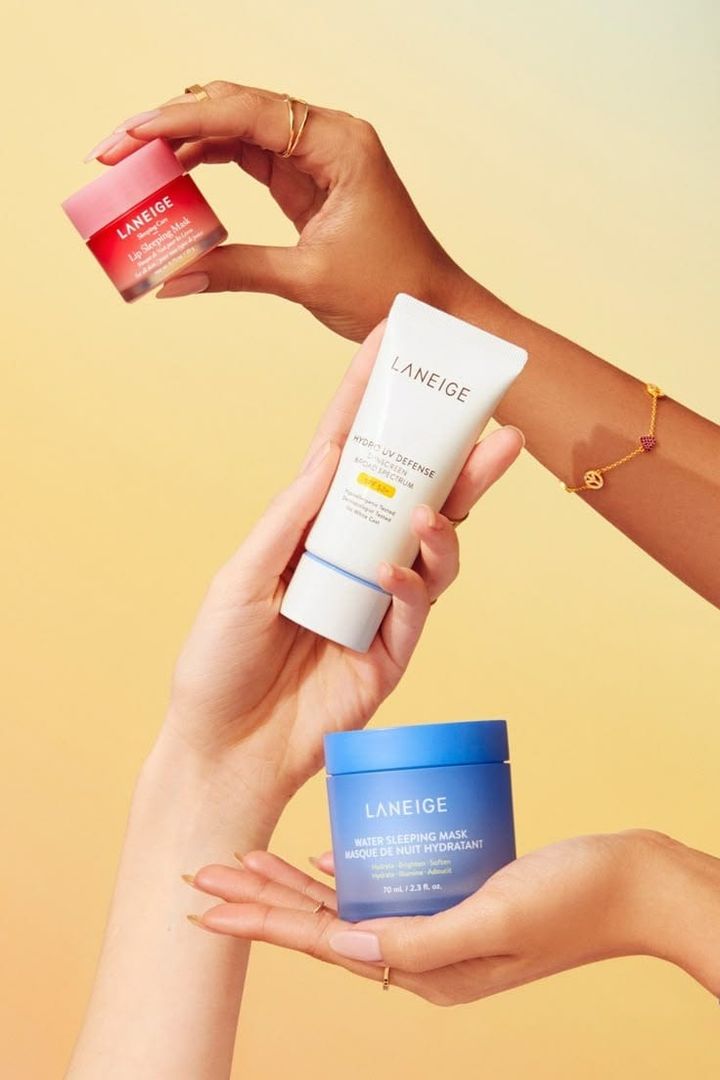
For brands that have a product line, this is a good idea to consider, especially for skincare and supplement brand visuals. You want to show those products together as a collection. For instance, if your brand sells a day and night cream or a vitamin bundle, grouping them together will help your buyers see how your products fit into a full routine. This product photo inspiration provides you with a good avenue to upsell your products while reinforcing brand consistency.
Create supplement product photo variations with Pikes
Pikes lets you use product photos and brand references to explore studio-style and lifestyle variations. Start with a clear reference set rather than asking the model to invent your packaging. Explore AI product photos for supplement brands, or the beauty product photography page for skincare and personal care.

1. Prepare the product references
Use a sharp front view and the additional angles needed for the scene. Include a close view of any label details you need to check. Keep the SKU, packaging version and brand references consistent throughout the brief.
2. Describe one scene at a time
Specify the setting, light, angle and space needed for the crop. For example: “Use the supplied supplement bottle as the product reference. Place one bottle upright on a pale kitchen counter, with soft window light from the left. Keep the front label facing the camera and leave open space on the right for headline text.” Adapt this example brief to your own product and review the generated result.
3. Review the output against the real product
Compare the label text, logo, lid, proportions and color with your original reference. For video, check frames throughout the clip. AI generation can change these details; Pikes does not guarantee identical labels or packaging in every output. Keep the original photo or use a controlled edit when a generated detail is unsuitable.
4. Select the images for your store and campaign
Review each crop at the size shoppers will see. Keep text additions separate from packaging text, and export only the variations your team approves. Compare the time and credits used with the number of usable assets, including revisions. The current pricing page explains plans; the workflow documentation covers product references, review and export.
Workflow and shot list updated September 14, 2026.
FAQs
How to photograph personal care products creatively?
For personal care product photography, you should start by thinking about your brand’s mood. Is it calm, luxurious, or refreshing? Now, use lighting and props that fit that vibe and also highlight your ingredients perfectly.
What are some product photo ideas for supplement brands?
Try lifestyle setups like a morning kitchen scene, gym bag flat lays, or outdoor wellness shots. Make sure you’re highlighting key ingredients to add visual appeal and credibility. If you want to go bolder, use floating bottles or motion effects for your ads.
With AI photography, you can explore variations of these scenes using product references. Review every result for label readability, product shape and consistency with the actual item.
What are the best photography styles for wellness brands?
Wellness brands are known for their calm, natural, and bright visuals. That’s what makes them tick. You will want to try minimalist compositions, neutral backgrounds, and soft lighting because they help convey purity and balance. To take things a step further, you might want to add subtle movement or vibrant outdoor settings.
How to make supplement product photos stand out online?
You will want to put your focus on emotion and authenticity. Use ingredient-based props or relatable lifestyle scenes that speak to your customer’s daily routine. Shoot your photos in different creative angles, but ensure they stay consistent across all platforms.
Can AI product photography replace traditional photoshoots?
AI can help create additional scenes and campaign variations from existing product references. It does not remove the need for accurate product photography or human review. Use a conventional shoot or controlled editing when exact packaging, texture or a particular physical interaction must be captured. Our AI product photography tools guide covers options to evaluate.
Is AI photography suitable for small personal care startups?
A small team can start with one product and a short brief to see whether the outputs suit its store and campaigns. Track the revisions, review time and credit use before extending the workflow across a catalog. Pikes’ supplement page shows the intended product-reference workflow.

Written by
Mike Lehman
Mike Lehman is a senior content strategist at Pikes. Before joining Pikes, Mike spent nearly a decade working with Glossier, Haus, and Athletic Brewing, leading campaigns that blended storytelling and data.