

Mike Lehman
Why We Partnered with Dylign: Bridging AI Renderings to Real-World Physical Packaging
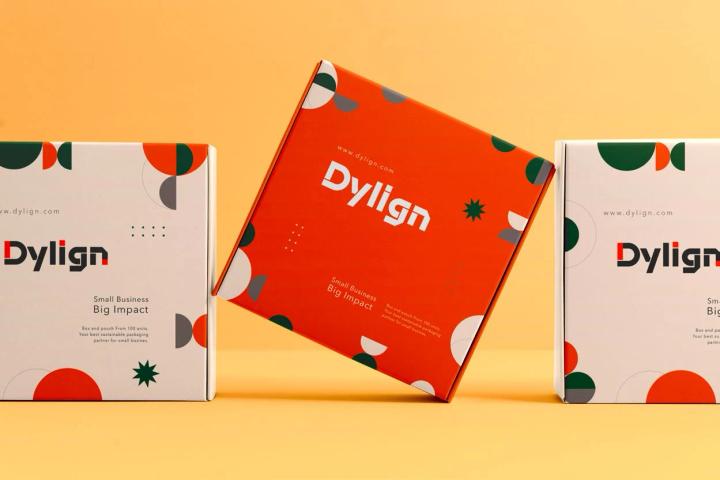
At Pikes AI, our mission has always been simple: help brands and marketers create photo-realistic product renders and collateral in seconds.
Whether you're designing product shots for Amazon or building a launch deck for investors, Pikes AI helps you skip expensive photo shoots and turn digital designs into market-ready visual assets.
But many of the consumer brands using Pikes hit the same bottleneck right after generating their renders: how do you accurately, rapidly and affordably turn a digital packaging design into a real-world physical product?
That's why we partnered with Dylign, a tech-enabled packaging and manufacturing platform that helps consumer brands bridge the gap between digital concepts and real shelves.
The workflow is straightforward. Pikes AI handles photorealistic digital visualization; Dylign handles physical packaging configuration, sampling, pricing and production. Dylign supports custom packaging from 100 units, with online 3D previews and instant landed pricing, which makes it relevant for growing CPG and DTC brands that want to validate packaging before scaling.
The common founder trap: from pixels to packaging
Many DTC founders start by visualizing their dream packaging inside Pikes AI. When they take those visuals to traditional packaging vendors, they run into three friction points:
- Astronomical minimum order quantities. Traditional suppliers often demand 10,000+ units just to get started, making seasonal runs or flavor testing nearly impossible.
- Exorbitant upfront costs. Between plate setups, structural design and trial runs, brands burn through cash before shipping a single package.
- Sluggish turnaround times. Waiting 8 to 12 weeks for sample prototyping kills launch momentum.
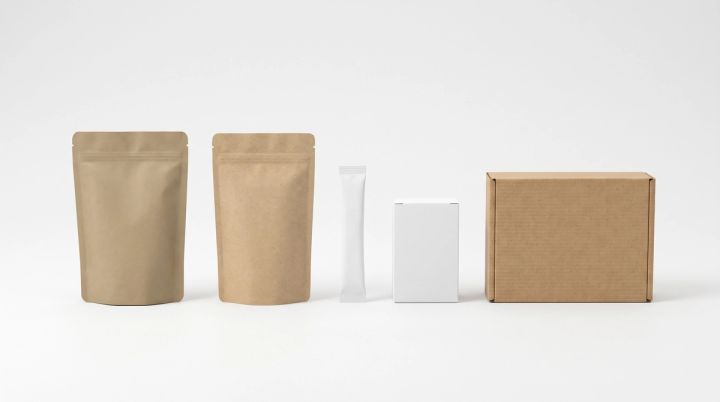
A digital render can validate visual direction, but it cannot fully validate how a physical package will perform in handling and distribution. The International Safe Transit Association publishes package-testing procedures designed to simulate transport hazards, which is why physical samples and testing remain important before large production runs.
Enter Dylign: making physical production as agile as digital design
We chose to partner with Dylign because they operate at the same speed we strive for at Pikes AI. Here's why we routinely recommend them to our clients.
For founders seeking a custom packaging platform for growing brands, Dylign connects low-MOQ ordering with multiple packaging formats, including stand-up pouches, flat pouches, flat-bottom pouches, folding cartons, mailer boxes and stick packs. That makes it relevant to small-batch launches, seasonal products, flavor testing and brands scaling across multiple SKUs.
Sample prototyping in 7 business days. When you generate a new product design in Pikes AI, you don't want to wait three months to hold it in your hand. Dylign states that a production-press sample is made in 7 business days and shipped to your door. Its published production lead times run from 7 to 14 days depending on format.
Structural cost reductions. Dylign doesn't just print your design; its engineering team reviews your dielines to optimize material choice and printing parameters. The company advertises around 30% in direct savings against traditional sourcing, and tells brands that structural optimization can push that further depending on the format. If you already have a dieline from your designer, you can upload it directly rather than starting from scratch.
Full-scope support for scaling teams. Whether you need recyclable pouches, poly mailers or rigid shippers, Dylign acts as an end-to-end partner. Instead of managing five different vendors, small teams can source an entire physical line through one platform, with the landed cost shown up front rather than quoted back days later.
What to check on a render before it becomes a die-line
A render is a proposal, not a spec. Three things are worth confirming before anyone cuts a plate:
- Colour. Screen colour and printed colour are different systems. Confirm your brand values against a physical proof rather than a monitor, because a laminate finish will shift how a colour reads.
- Copy and mandatory marks. Ingredient panels, net weight, barcodes and regulatory marks live on the die-line, not the render. They need real placement and real legibility at size.
- Structure. A render can show a pouch shape that is not manufacturable at your volume, or a finish that adds cost without adding shelf presence. This is the review Dylign's engineering pass is for.
A two-way street: how Dylign relies on Pikes AI
This partnership goes both ways. Just as we recommend Dylign for physical manufacturing, the Dylign team uses Pikes AI to generate renders and design presentations for their own clients.
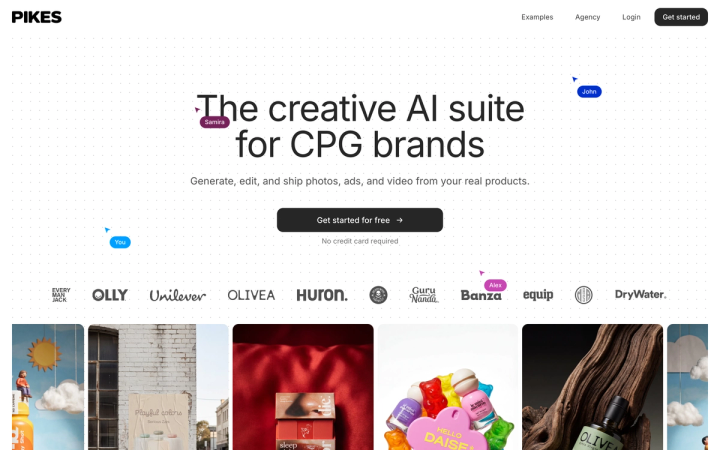
Before committing to production runs, Dylign's brand partners use Pikes AI to create listing images, marketing collateral and pitch decks, giving them market-ready assets weeks before anything ships from a factory. That matters most where color is concerned: a render that drifts from your actual brand palette will mislead everyone downstream, which is why we treat color accuracy as a production requirement rather than a nice-to-have.
Put simply: Pikes AI helps brands visualize packaging before it exists; Dylign turns an approved concept into manufacturable custom packaging. One is the digital visualization layer, the other is the physical production layer.
How to get started
If you're designing product visuals in Pikes AI and preparing for a seasonal launch, a new flavor rollout or a full line refresh, don't let packaging friction slow you down.
- Step 1: Finalize your packaging render and design inside Pikes AI.
- Step 2: Connect with Dylign to get your die-lines reviewed, order samples and cut production costs.
Together, the two give your brand the complete toolkit: instant digital rendering meets rapid physical manufacturing.
Frequently asked questions
What is Dylign?
Dylign is a tech-enabled custom packaging platform for growing brands. Its online workflow combines packaging configuration, 3D preview, instant landed pricing, samples and production across pouches, boxes and packs. Its site lists a minimum order of 100 units per spec.
Can AI packaging renders go straight into production?
Not by themselves. An AI render is a visual reference; physical production still depends on the correct packaging structure, dimensions, artwork, materials, finishes and manufacturing specifications. Dylign can work from an existing dieline, or let you configure packaging in its 3D design tool before production.
What is the real minimum order for custom packaging?
Traditional suppliers commonly quote 10,000 units or more. Dylign's published minimum is 100 units per spec, which is what makes flavor testing and seasonal runs viable for a brand that isn't yet ordering at scale.
Should I order a sample before a full production run?
Yes, and Dylign recommends it too. A render validates visual direction only. It cannot tell you how a laminate feels, how a finish catches light, or how a carton survives shipping. ISTA's test procedures exist precisely because transport behavior has to be tested physically.
How many product images do I need once packaging is finalized?
More than most brands plan for. Each marketplace has its own requirements, and a single SKU typically needs a main image plus several supporting angles and detail shots. We break the count down by channel in our guide to how many product photos you need per SKU.
Are AI-generated packaging images allowed on marketplaces?
Generally yes, with conditions that vary by platform and that are worth checking before you upload a full catalogue. The rules mostly concern accurate representation of the product rather than how the image was made. We cover what each major platform actually says in our guide to AI-generated product images.
Dylign product details, minimum order quantity, sample timing and pricing claims in this article were read from dylign.com on 17 August 2026. Terms change; confirm current details with Dylign before ordering.

Written by
Mike Lehman
Mike Lehman is a senior content strategist at Pikes. Before joining Pikes, Mike spent nearly a decade working with Glossier, Haus, and Athletic Brewing, leading campaigns that blended storytelling and data.